

Hi Friends,
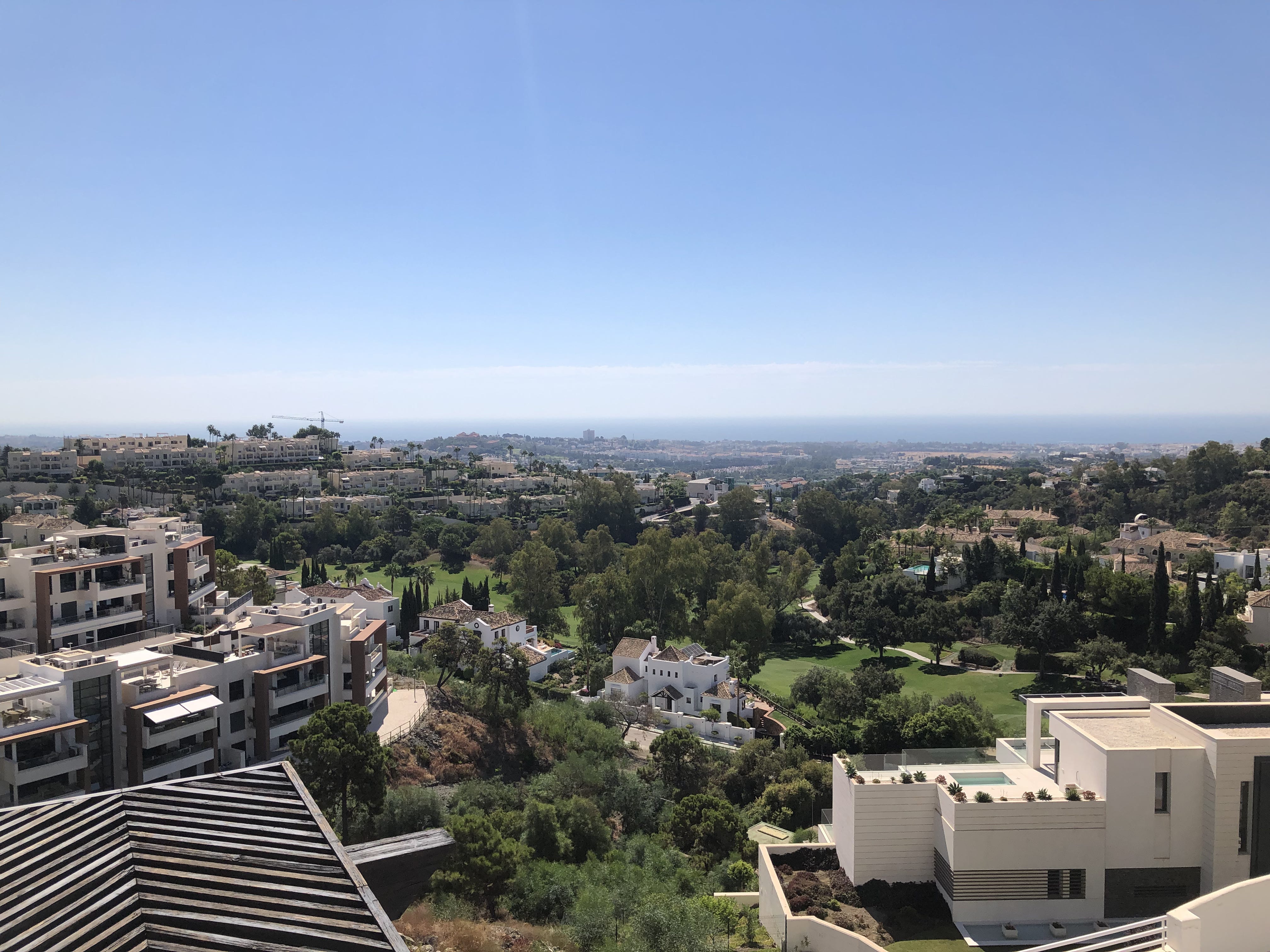
I am bringing this newsletter to you today from sunny Malaga, Spain.
It’s been over two years since I last travelled and I’ve missed it so much.
There's something amazing about meeting new people and experiencing different cultures.
Without further ado, it's time to vamos.
In 2018 at 26 years old, I visited Vietnam for the first time, and it became an education on privilege.
Until visiting the motherland, I had no idea what poverty really was or the difference between relative and absolute poverty. I had seen poverty on TV and on the internet but to see poverty with my own eyes left a mark on me.
To this day, I remember my first visit, how at every bar on Bùi Viện (the party street in Saigon), young kids, shiny with sweat, would swarm me. Their skinny arms stretched out, begging and hoping for any Vietnamese Dong I had spare.
It was hard for me, who grew up in an upper working-class family and well educated, to grasp the contrast between such inescapable poverty and life back home.
But it wasn’t until March 2019, a year later, that my education on privilege seared itself deeper into my mind.
I flew back to Vietnam to understand more of my culture and heritage. I toured the sprawling slums alongside the Mekong Delta. The dilapidated shanty houses containing entire families juxtaposed against the luxurious towering condominiums further down the Delta in the heart of Saigon city.
I visited an obscure orphanage housing bed-ridden children with missing limbs and disablities as a result of Agent Orange. These children were abandoned because their parents couldn't afford or bear to care for them. And here I was, fit, healthy and able-bodied.
My Privilege
Privilege is a special right, advantage, or immunity granted that is available to a particular person or group. Privilege can be racial, gender, identity, heterosexual, economic, able-bodied, educational, religious, and the list goes on and on.
At some point, you have to surrender to the kinds of privileges you have because everyone has something someone else doesn’t.
Since returning from the trip in 2019, I’ve been trying to accept and acknowledge my privilege.
I’m a man, born in the United Kingdom, a person of colour, the child of war immigrants but grew up as upper working class.
My parents raised my siblings and I in a strict but loving environment. My parents are still married, so I didn’t have to deal with divorce growing up.
I attended one of the best schools in Birmingham. I chose a degree I wanted to do. I found a profession that allowed me to travel and make an indulgent living in my twenties.
I can pay my bills. I have the time and resources for frivolity. I am fit and in good health.
I work for myself. I know that if anything goes wrong in my life, my parents will always give me a roof over my head and food to eat. I have an Aunt that can provide me with a place to stay in London and Malaga.
My life is far from perfect, but I do know I have a whole lot of privilege. When I think about my time in Vietnam, it feels somewhat embarrassing for me to accept just how much privilege I have in life.
The other way it is difficult to accept my privilege is when I think about what privileges I lack. Dating can bring about this pain – being an Asian male in the age of swipeable romance means that I’m the least desirable male in the western dating market. Rejection is abundant. It’s easy to despair, but it means I have to be braver and more confident in making myself more appealing to women. The other way I lack privilege is in the job market. The fact that I have a foreign-looking surname means there's a bias towards me.
Despite the lack of some privileges, I’ve been lucky and successful. All the factors related to my privilege have contributed to this.
What Do I Do With My Privilege?
You don’t have to do anything once you accept your privilege. You don’t have to apologise for it.
I don’t apologise for being a British-born Vietnamese or being a man. I’m not proud of it, but I’m certainly not ashamed of it either.
I understand the extent of my privilege and the consequences of my privilege. I try to remain aware that people are different from me and experience the world in ways I will never know about.
For example, I know I can walk down a dark street at night time without worrying too much about my safety or getting sexually harassed. I will also never experience what it’s like to give birth or have a period.
While I don’t have to do anything with my privilege, I use it to direct my energy to what I think matters. I wake up every day and do my best to try and make the world a better place through writing.
My copywriting friend Jake asked me, “How do I deal with the guilt of trying to persuade people to part with their money to buy a product?” I don’t deal with it. Instead, I find clients who are trying to do good in the world. My first client is a wonderful startup improving and innovating personal protective equipment. Their product is making the world a safer place for those at the cutting edge of research and medicine.
My trips to Vietnam invoked a deep desire to contribute to the world in a positive-sum way. Not many people know this, but when I started my Vietnamese coffee business, I made sure the coffee supplier I sourced from had social benefits in place for the coffee farmers. Paying a premium for coffee ensured nurseries and schools were built for the farmer’s children so they could receive an education. As well as gender awareness initiatives that improved women’s capacity to make farming and business decisions.
A Dangerous Game
From what I’ve seen in the discourse on social media about privilege, some people like to play a very pointless and dangerous game. They try to mix and match various demographic characteristics to determine who wins the Game of Privilege.
Who wins in a privilege battle between a wealthy black woman and a wealthy white man?
Who wins in a privilege battle between a gay white man and a straight Asian woman?
Who wins in a privilege battle between a working-class white man and a wealthy trans-black man?
We can sit and play this game all day, and we will never find a winner.
This game of privilege is mental masturbation – it only feels good to the players.
My fascination with human nature and psychology, I’ve come to understand this: Privilege is relative and contextual.
The fact that you’re reading this newsletter, you have some kind of privilege. I know it may be hard for you to hear that. But you have disposable time to read my rant, you have access to the internet, the freedom to express your opinions in the comments below, a smartphone and a computer.
The Privilege Police
The former president of the United States, Barack Obama, has a great deal of privilege. He is wealthy, well educated and successful. He has, in what appears, a loving marriage and two healthy children. He was the president of the United States, one of, if not the most powerful man in the world.
Despite such immense privilege, Obama knows what all successful people of colour know – all the wealth and power in the world won’t stop the racial slurs and assumptions about how he’s achieved his success. There will always be resentment from people who feel that their privileges are due.
But if the very privileged people can still be marginalised, how the hell do we measure privilege? Who goes above who in the hierarchy? Who wins? Who decides?
The answer is we can’t measure privilege, and nor should we even attempt to try. Because it starts with righteousness and ends in tyranny. It’s a stupid game to play that results in stupid prizes.
From what I’ve seen, there are far too many people who have become a self-appointed privilege police, patrolling the halls of Twitter, ready to signal their virtue and remind people of their privilege.
When someone writes from their experience, there is often someone ready to point a trembling finger and accuse the writer of having various kinds of privilege.
I’ve been on the receiving end of this when discussing the Diversity, Inclusion and Equity quota issue on Twitter. How dare I speak about a personal experience without accounting for all forms of privilege? How dare I speak up as a man? How dare I speak up when I’ve reaped the benefits of the patriarchy?
But here’s the problem with that line of thinking: The world will be filled with silence if the only people who are allowed to write or speak from experience or about differences are those who have absolutely zero privilege.
Those who have been marginalised I understand, I really do. But pointing out my differences and labelling me as the enemy isn’t going to help.
I don’t know what’s going on when people wield their accusations of privilege, but I suspect it’s a desire to be heard and to be seen.
If you’ve found yourself reading this and part of the privilege police, I ask this of you:
Must you satisfy your need to be heard at the expense of not allowing anyone else to be heard and seen?
Does having any kind of privilege automatically negate any merits of what the privilege holder has to say?
Have you recognised your own privilege?
Closing Thoughts
There’s a culture and gender divide going on. And it breaks my heart.
We need to stop blaming each other and work together. We need to get to a place where we acknowledge privilege as an observation rather than an accusation. We need to be able to discuss and debate beyond the threat of privilege. We need to stop playing the privilege game because we’ll never get anywhere.
We should be able to say this is my truth and also understand that multiple truths can coexist.
The world needs a little more love and a little more kindness.
– Jason Vu Nguyen
One of your best pieces. Keep traveling. Yes, it is a privilege to be able to see, absorb, and learn from other cultures, but it is the critical key to understanding, kindness and acceptance.